

New research is raising fresh concerns about the potential health dangers of everyday plastics—especially their possible link to increased cardiovascular disease risk among middle-aged adults.
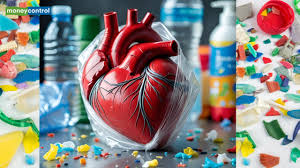
A recent study, published April 28 in eBioMedicine, suggests that exposure to certain plastic chemicals, particularly phthalates, could significantly contribute to deaths related to cardiovascular disease (CVD) in people aged 55 to 64. These chemicals are commonly used to make plastics more flexible and are found in a wide range of consumer goods, including food packaging, personal care products, vinyl flooring, and children’s toys.
Among these phthalates, di(2-ethylhexyl)phthalate (DEHP) stood out in the study. Researchers estimated that DEHP exposure accounted for over 350,000 CVD-related deaths in 2018 alone among adults aged 55 to 64. This represented more than 13% of cardiovascular-related mortality in that age group worldwide.
Geographically, the greatest burdens of DEHP-related CVD deaths were found in South Asia and the Middle East, where nearly 17% of such fatalities were linked to the plasticizer. Other regions, including Latin America, East Asia, Canada, Australia, and Africa, also reported concerning levels of cardiovascular mortality associated with DEHP exposure.
Plastics and Heart Health: What the Experts Are Saying
“This adds to the increasing body of evidence pointing to the health risks of plastics in our environment and homes,” said Dr. Jayne Morgan, a cardiologist and vice president of medical affairs at Hello Heart, who was not involved in the study.
Although the study identified a strong association between DEHP and cardiovascular deaths, Morgan emphasized that it did not establish direct causation. She said it’s possible that plastic exposure may trigger chronic inflammation, harm the immune system, or produce toxic effects in the body, but more research is needed to confirm the mechanisms involved.
Dr. Yu-Ming Ni, a cardiologist and lipidologist at MemorialCare Heart and Vascular Institute in California, added that while the findings are noteworthy, caution should be used when interpreting them.
“This was an observational study, meaning it shows correlation but not necessarily cause and effect,” Ni said. “Still, the study highlights a need for more research into whether reducing exposure to plastic chemicals could lead to improved heart health.”
Health Risks of Everyday Plastics
This isn’t the first time phthalates and other plastic components have been under scrutiny. A 2021 study by the same research team linked phthalate exposure to approximately 100,000 premature deaths per year in the U.S. among adults aged 55 to 64. Individuals with the highest phthalate levels in their bodies were shown to have a significantly greater risk of dying from any cause, especially cardiovascular issues.
Phthalates have also been associated with reproductive disorders, asthma, obesity, and certain cancers.
In California, DEHP is listed under Proposition 65 due to its potential to cause cancer, birth defects, and reproductive harm.
Other chemicals like Bisphenol-A (BPA), used in plastics and food containers, have raised similar concerns. BPA can leach into food and drinks, prompting fears about long-term exposure. One 2024 study found that a single liter of bottled water could contain as many as 240,000 nanoplastic particles. Another study from 2025 revealed that even chewing gum could release hundreds to thousands of microplastic particles per gram.
Even more alarming, microplastics have been detected in arterial plaque, with emerging studies suggesting they may raise the risk of heart attacks and strokes.
Tips to Reduce Your Exposure to Microplastics
Despite how widespread microplastics are, experts say there are practical steps individuals can take to limit exposure. Here’s how:
1. Cut Back on Processed Foods
Pre-packaged and processed foods are not only associated with poor nutrition but also tend to be wrapped in flexible plastic packaging. These plastics can leach chemicals into the food, especially when exposed to heat.
Ways to reduce processed food intake:
-
Focus on fresh fruits and vegetables
-
Cook meals in advance
-
Opt for whole grains over refined ones
-
Choose unprocessed meats
-
Stick to the outer aisles of grocery stores where fresh food is typically stocked
2. Replace Plastic in the Kitchen
Plastic utensils and containers are common sources of microplastic ingestion, especially when heated.
To minimize risk:
-
Use stainless steel or wooden utensils
-
Switch to glass, ceramic, or metal food storage containers
-
Avoid microwaving plastic containers
-
Refrain from using plastic bowls or plates in the dishwasher, as heat can cause chemical leaching
Dr. Ni advised avoiding takeout containers when possible and instead using reusable containers made from non-plastic materials. “Plastic, especially when heated, can release chemicals into the food and air,” he noted.
Dr. Morgan also emphasized the risks of heating plastics: “Even dishwashing plastics at high temperatures can cause harmful chemicals to seep out.”
3. Choose Unscented Products
Fragranced household items often contain higher levels of phthalates and other plasticizers.
To reduce exposure:
-
Select fragrance-free lotions, detergents, and cleaning supplies
-
Avoid air fresheners and aerosol sprays
-
Steer clear of plastics labeled with recycling codes No. 3 (PVC), No. 6 (polystyrene), and No. 7 (miscellaneous plastics)
4. Adopt a Healthier Lifestyle
Improving your overall health can help mitigate the effects of environmental toxins like microplastics.
Dr. Morgan recommends incorporating regular physical activity and keeping track of blood pressure. “Our bodies are built for movement, and sedentary habits are linked to chronic diseases like hypertension, diabetes, and obesity,” she explained.
Chen echoed these points, saying that a heart-healthy lifestyle includes:
-
A low-sodium, balanced diet
-
Regular cardiovascular exercise
-
Adequate, quality sleep
-
Maintaining a healthy weight
-
Avoiding tobacco and excessive alcohol
-
Managing stress effectively
The Bottom Line
While the full impact of microplastics on human health is still being uncovered, mounting research points to their potential role in serious health outcomes, including cardiovascular disease.
Until more definitive answers emerge, reducing plastic exposure—particularly from food containers, personal care products, and household items—remains a smart and proactive step toward better heart health.
As Dr. Chen put it, “We can’t eliminate plastic exposure entirely, but being mindful about how we interact with plastics can significantly reduce our risk over time.”