

You can make ingredient swaps, cook at home more often, and prepare meals in advance. Choosing options with less added sugar, more whole foods like legumes, and natural components can be beneficial.
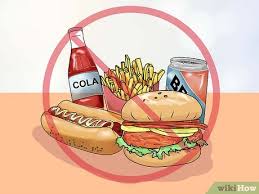
Processed foods include any item that’s been packaged, frozen, canned, cooked, or pasteurized.
Some processed items—like frozen fruit, canned beans, or pasteurized milk—can still fit into a nutritious eating plan. But ultra-processed foods, often filled with preservatives, added sugars, sodium, and artificial ingredients, may negatively impact your health.
Cutting back on highly processed products is a simple and effective way to boost your overall well-being and improve your daily nutrition.
Here are a few practical tips you can start using today to reduce your consumption of processed foods and make more wholesome choices.
Keep Nutritious Snacks Within Reach
When you’re in a hurry, it’s easy to grab a packaged snack for convenience.
Having quick, nutrient-dense snacks available at home or work can make choosing healthier options easier.
Some great snack ideas include fresh fruits, mixed nuts, raw veggies with hummus, or edamame.
If you have time to prep, consider making your own snacks like hard-boiled eggs, rolled turkey slices, baked kale chips, or overnight oats to have ready for busy days.
Replace Refined Grains With Whole Grains
One straightforward way to reduce processed food intake is by switching from refined to whole grains.
Instead of white bread, pasta, rice, or tortillas, try whole grain alternatives like brown rice, whole wheat bread, or whole grain tortillas.
Whole grains are packed with more nutrients, especially fiber, and have been linked to a reduced risk of heart disease, certain cancers, and type 2 diabetes.
Choose Better Ingredients
Want a healthier twist on your favorite processed meals? Try recreating them at home with better ingredients. This allows you to control exactly what goes into your food.
For instance, make your own veggie chips using thinly sliced zucchini, sweet potatoes, or carrots tossed in olive oil and baked until crispy.
Other DIY healthy options include air-popped popcorn, chia pudding, homemade granola bars, or fruit strips made from real fruit.
More creative swaps:
-
Use oatmeal with fresh berries in place of sugary breakfast cereals.
-
Make stovetop popcorn instead of microwave versions.
-
Prepare a vinaigrette with olive oil and vinegar instead of buying store-bought dressings.
-
Mix your own trail mix with nuts, seeds, and dried fruits.
-
Add seeds or nuts to salads instead of packaged croutons.
Hydrate With Water Instead of Sugary Drinks
Drinks like soda, flavored coffee, sweet teas, sports drinks, and fruit juices often contain high amounts of sugar and offer little nutritional value.
Replacing these with water is a smart and easy step toward reducing processed food consumption.
If plain water isn’t appealing, try sparkling water, infused water with fruits or herbs, or lightly flavored water without added sugars.
Get Into Meal Prepping
Cooking meals in advance once or twice each week can ensure that healthy, home-cooked food is always within reach—even when life gets hectic.
This habit can help you skip drive-thru stops and avoid grabbing frozen entrees or packaged meals in a pinch.
Pick a few favorite recipes, block out time to prep, and aim to use overlapping ingredients to save time and effort. This can help streamline the process and add variety without extra work.
Eat More Veggies With Your Meals
When preparing meals at home, try to add at least one vegetable serving to every dish to increase your intake of minimally processed, nutrient-rich foods.
You might add spinach to eggs, stir-fry broccoli as a side, or mix carrots and cauliflower into soups or stews.
Vegetables offer fiber and essential nutrients that help keep you full longer and support overall health.
Adjust Your Grocery Shopping Habits
Avoiding processed foods becomes much easier when they’re not in your pantry.
Next time you’re at the store, focus on whole, minimally processed ingredients like fresh produce, legumes, and whole grains.
Stick to the store’s outer aisles where fresh food is usually located, but don’t skip the center aisles entirely—canned beans, plain frozen vegetables, and brown rice can be good choices.
Also, take time to read ingredient labels. Try to avoid items high in added sugar, sodium, or unhealthy fats like trans fats.
Limit Processed Meats
Meats such as bacon, deli slices, sausage, and hot dogs are linked to negative health outcomes and are classified as carcinogenic by the International Agency for Research on Cancer.
Fortunately, there are many easy alternatives.
Choose lean, unprocessed proteins like chicken, turkey, or salmon instead. For sandwiches, consider fillings like tuna, boiled eggs, or grilled chicken instead of packaged cold cuts.
You might also explore plant-based proteins such as tofu, tempeh, lentils, or beans.
Final Thoughts
Processed foods include items that have been frozen, packaged, or altered in some way. While many processed foods can still be part of a healthy lifestyle, it’s wise to reduce those high in additives, preservatives, sugar, and sodium.
Start slowly by trying a few of the strategies above. Over time, small changes can lead to big improvements in your diet and overall health.
Love these simple tips! Cutting back on processed foods feels less overwhelming now.
Great advice! Small changes like these really add up over time for better health.
Easy to follow and practical. I’m starting with swapping snacks for whole foods!