

Staying properly hydrated is especially important during the hot summer months — and with rising temperatures comes a surge in popularity for “functional” waters like alkaline and electrolyte-infused options. These drinks are often marketed as more effective than regular water, but are they really better for you?
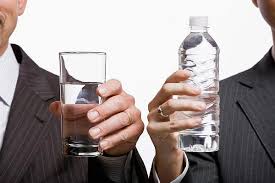
Experts say that while these enhanced waters can have their place, for most people, plain tap water is not only sufficient — it’s also the most practical and affordable choice.
Why Hydration Matters More in the Heat
Dr. Blen Tesfu, a physician and registered dietitian at Welzo, explains that summer heat accelerates fluid loss through sweat, making hydration more critical.
“Without enough water, you can feel tired, confused, and low on energy,” Tesfu said. “Hydration helps regulate body temperature, aids digestion and nutrient absorption, and supports organ function.”
If you’re active outdoors or spending time in the sun, your body’s demand for fluids increases even more.
Sotiria Everett, EdD, a clinical assistant professor at Stony Brook Medicine, added that dehydration can lead to serious heat-related illnesses like heat exhaustion or heatstroke.
“For athletes and outdoor workers especially, staying hydrated is key to avoiding these dangerous conditions,” she noted.
Are Alkaline and Electrolyte Waters Worth It?
Alkaline water has a higher pH level than standard tap water, typically above 7.0. The idea is that it can help neutralize acid in the body and improve energy or health, but Tesfu says there’s no strong scientific evidence to support these claims.
“There’s a lot of marketing around alkaline water, but research doesn’t back up most of the health benefits people associate with it,” she said.
Electrolyte-enhanced water, on the other hand, contains minerals like sodium, potassium, and magnesium — which the body loses through sweat.
“These can be helpful after intense physical activity or excessive sweating,” Tesfu explained. “Replacing those lost minerals helps maintain fluid balance and can prevent cramping.”
What’s the Best Way to Stay Hydrated?
Despite all the flashy labels and promises, experts agree that tap water does the job just fine for the majority of people.
“It’s accessible, low-cost, and already contains essential minerals for hydration,” said Tesfu.
Everett added that a mineral-rich diet, combined with consistent water intake, usually covers hydration needs.
Here are some foods that naturally provide electrolytes:
-
Potassium: bananas, oranges, sweet potatoes
-
Sodium: soups, cheese, table salt (limit if you have high blood pressure)
-
Calcium: dairy products like milk and yogurt
-
Magnesium: seeds, nuts
For active individuals or those who sweat a lot, Everett recommends a simple home remedy: “A pinch of salt and a bit of lemon or lime in your water can help mimic the effects of sports drinks.”
Fruits and veggies high in water — like watermelon, cucumbers, oranges, and lettuce — also help keep you hydrated.
When Should You Consider Electrolytes?
If you’re exposed to extreme heat for long periods or engage in intense physical activity, your electrolyte needs may go up.
Symptoms like dizziness, muscle cramps, or a racing heartbeat could mean you’re low on fluids and electrolytes. In these cases, drinking fluids with added electrolytes can support recovery and hydration.
Still, electrolyte needs vary from person to person depending on health conditions, medications, lifestyle, and climate. If you’re unsure, Tesfu suggests speaking to a healthcare provider.
Are You Drinking Enough Water?
The old rule of drinking eight glasses a day doesn’t apply to everyone. Hydration needs depend on many factors — including activity level, environment, and individual health.
According to the U.S. National Academies of Sciences, Engineering, and Medicine (NASEM), daily water intake should be about:
-
2.7 liters (91 ounces) for women
-
3.7 liters (125 ounces) for men
These amounts include fluids from both drinks and foods.
Tesfu also recommends monitoring your urine color as an easy way to track hydration: “Clear or light yellow usually means you’re hydrated. Dark yellow or amber might mean you need more fluids.”
She agrees with NASEM’s advice: “Drink when you’re thirsty — it’s your body’s natural signal.”
Don’t Love Water? Try This
If you find plain water boring, there are ways to make it more enjoyable.
Everett recommends adding natural flavors to make water more appealing:
-
Sliced fruits like berries, pineapple, or lemon
-
Fresh herbs such as mint or basil
-
Cucumber for a refreshing twist
Cold-brewed herbal teas are another flavorful, hydrating option that also provide antioxidants.
And remember, water doesn’t always have to come from a glass. Everett points out that fruits and vegetables also count toward your hydration goals while offering important nutrients.
Final Thoughts
While alkaline and electrolyte-infused waters might sound appealing — and can be helpful in specific cases — they’re not essential for most people. Tap water, combined with a balanced diet, is usually more than enough to keep you hydrated and healthy.
In the end, hydration is about listening to your body, responding to thirst, and finding simple ways to meet your fluid needs — no matter how hot the summer gets.