

You hear it all the time — some people swear by plant-based protein, while others say animal protein is king. So what’s actually different between the two? Let’s break it down in plain terms.
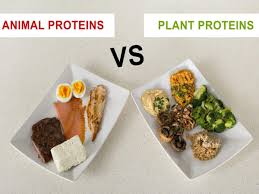
Getting enough protein every day is non-negotiable — it’s essential for everything from keeping your immune system strong to helping cells grow and function properly. Luckily, you can get protein from a variety of foods, both animal- and plant-based.
Some folks argue it doesn’t really matter where your protein comes from, while others claim one is clearly better. The truth? It’s a bit more nuanced than that. Here’s a side-by-side look at how plant and animal proteins compare.
The Amino Acid Difference
Proteins are made up of smaller units called amino acids, and your body uses about 20 different ones to function.
Out of those, nine are essential, meaning your body can’t make them on its own — you’ve got to get them from food.
Animal proteins (like meat, eggs, and dairy) usually contain all nine of these essential amino acids, which is why they’re called complete proteins.
Some plant foods — like soy, quinoa, and pea protein — also provide all nine, but many others (think beans, wheat, or nuts) are incomplete, meaning they’re missing one or more of the essentials.
But don’t worry — you can still easily get all your amino acids on a plant-based diet by eating a mix of different foods. Take a peanut butter sandwich, for example: bread is low in lysine, but peanuts have plenty of it. Together, they form a complete protein.
So if you’re plant-based or vegan, variety is key to covering your amino acid bases.
Top Protein Sources: Animal vs. Plant
You’ve got tons of options when it comes to getting your protein — here are some go-tos:
Animal Protein Foods:
-
Eggs
-
Fish and seafood
-
Chicken, turkey, and other lean meats
-
Wild game
-
Dairy (milk, cheese, yogurt)
Animal-based protein doesn’t just give you the protein — you’ll also get nutrients like vitamin B12 and heme iron, the type of iron your body absorbs best.
That said, not all animal proteins are created equal. Processed meats like hot dogs or deli meats tend to be packed with sodium and saturated fat. For a healthier pick, go for whole options like salmon, eggs, or skinless poultry.
Plant Protein Foods:
-
Beans and lentils
-
Nuts and seeds
-
Tofu, tempeh, and edamame
-
Quinoa and buckwheat
-
Wild rice
-
Nutritional yeast
-
Chia, hemp, and flax seeds
-
Whole grains like Ezekiel bread
A few of these — like quinoa, soy, chia seeds, and buckwheat — are naturally complete proteins. Most others are missing one or two amino acids, but again, mixing them up in your meals fills in the gaps.
Classic combos like rice and beans, pita and hummus, or pasta salad with kidney beans are simple ways to get a full amino acid profile without eating meat.
Why Plant Protein Gets So Much Love
Plant-forward diets are linked to a bunch of health perks.
Studies show that people who eat more plant protein tend to have:
-
Lower blood pressure
-
Healthier body weight
-
Lower cholesterol
-
Reduced risk of heart disease, stroke, and some types of cancer
But it’s not just about ditching meat — it’s about what you eat instead. Replacing burgers with fries and white bread doesn’t exactly do your heart any favors.
The best results come from diets rich in whole grains, legumes, veggies, nuts, and seeds. On the flip side, eating tons of processed plant-based junk food (like fried veggies or ultra-refined carbs) can backfire.
Plant-based eating may also help manage or prevent type 2 diabetes, especially when it’s focused on high-quality whole foods.
But Don’t Count Animal Protein Out
Animal protein has its upsides too — especially when it comes from fish or lean meats.
Eating fish regularly is tied to:
-
A lower risk of heart disease
-
Better brain health
-
Reduced cognitive decline as you age
Animal protein can also help preserve muscle mass, which becomes super important as we get older.
What About Red Meat?
Red meat is a complete protein, but it’s also a bit controversial.
Some research links high red meat intake, especially processed types like bacon or sausage, to an increased risk of heart disease and stroke.
But newer studies suggest it’s more about the amount and type you eat. Lean cuts of beef or lamb in moderation might not be a problem — it’s the heavily processed stuff that raises red flags.
One review found no major increase in heart disease risk from moderate red meat intake. But another study showed that:
-
Lots of unprocessed red meat = 9% higher heart risk
-
Lots of processed meat = 18% higher risk
Fish, chicken, and turkey don’t seem to carry the same risks, so they’re a safer bet if you want animal protein without the extra baggage.
Final Thoughts
At the end of the day, both plant and animal proteins have their pros and cons. You don’t need to choose one over the other unless you want to — what really matters is eating a balanced mix of nutrient-rich foods.
If you’re eating mostly plants, just make sure to mix it up and get enough variety to cover your essential amino acids. And if you’re including animal proteins, try to stick to lean, minimally processed options.
It’s not about extremes — it’s about making smarter, more balanced choices with whatever you’re eating.