

Dates are flavorful, nutrient-rich fruits that come from the date palm tree and are widely consumed across the globe. They hold cultural and religious importance in many regions and are celebrated for their natural sweetness and health benefits.
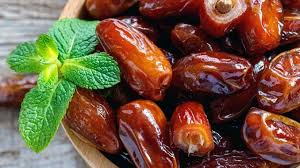
Known for being rich in fiber and sugars, dates often raise questions about whether there’s a specific time that’s best to eat them.
This article explores the most and least favorable times to include dates in your diet.
Nutritional Value of Dates
Dates are packed with essential nutrients. The two most common varieties are Medjool and Deglet Noor. While fresh dates can be eaten, dried dates are more frequently consumed and easily recognized by their wrinkled, dry exterior.
A 100-gram (3.5-ounce) portion of dates contains the following:
-
Calories: 282
-
Protein: 2.5 grams
-
Carbohydrates: 75 grams
-
Fiber: 8 grams
-
Sugar: 64 grams
-
Calcium: 3% of the Daily Value (DV)
-
Iron: 6% of the DV
-
Potassium: 14% of the DV
-
Magnesium: 10% of the DV
-
Copper: 23% of the DV
-
Selenium: 6% of the DV
-
Vitamin B6: 10% of the DV
-
Folate: 6% of the DV
Because they are small and sweet, it’s easy to consume multiple dates at once, which can lead to an intake of a high number of calories and sugars in a short time. Moderation is key when incorporating dates into your diet.
Best Times to Eat Dates
In general, the optimal time to eat any food depends on your hunger levels and your individual needs.
Although some health trends suggest that there are specific times when digestion is more efficient, scientific evidence supporting this idea is limited.
The body begins preparing for digestion as soon as you see or smell food by releasing enzymes in the mouth and continuing this process throughout the digestive system. These enzymes vary depending on the macronutrient makeup (carbs, proteins, fats) of what you’re eating, and this process can occur at any time of the day.
That said, there are certain times when eating dates may be particularly beneficial:
-
In the morning: Adding dates to breakfast provides natural sweetness and a fiber boost. The fiber can help you feel full for longer and support steady energy levels into the day.
-
As an afternoon pick-me-up: Dates offer a healthy combination of sugar and fiber, which helps raise your energy gently—without the sudden crash that often follows refined sugar.
-
When you’re a little hungry: Due to their high fiber content and calorie density, dates can satisfy hunger between meals. Try pairing them with protein sources like peanut butter for a more balanced mini-meal.
-
Before exercising: The natural sugars in dates provide a slow, steady energy release, making them an excellent pre-workout snack. Eating 2–4 dates about 30 to 60 minutes before physical activity can help sustain your energy.
-
In the evening: Dates also make a great bedtime snack. Their fiber content promotes satiety, which can reduce late-night hunger and prevent midnight snacking.
When to Avoid Eating Dates
Although your body is capable of processing food at any time, there are a few instances when it may be wise to skip or limit dates:
-
If you have IBS (Irritable Bowel Syndrome): People with IBS may react poorly to FODMAPs—fermentable carbohydrates that are difficult for some to digest. Dates are high in fructose, which can trigger bloating, gas, and discomfort in sensitive individuals.
-
Right after a large meal: Dates are rich in fiber, which slows digestion. Eating them immediately after a big meal may make you feel overly full or bloated.
-
If you’re allergic or sensitive: Though uncommon, some individuals may be allergic to dates. Symptoms could include itching, swelling, or gastrointestinal issues. If you suspect a sensitivity, consult with a healthcare provider.
-
During bouts of diarrhea: Dates contain sorbitol, a sugar alcohol that can speed up bowel movements. If you’re already experiencing diarrhea or loose stools, it’s best to hold off on eating dates until symptoms subside.
Aside from these situations, dates can be enjoyed at nearly any time as part of a balanced diet.
Final Thoughts
Dates are a healthy, sweet, and convenient snack option that fits easily into many types of meals and eating styles.
They’re high in natural sugars, calories, and fiber—making them an energizing snack that can help keep you full and satisfied throughout the day.
Because your digestive system is designed to work around the clock, you can enjoy dates at any time—morning, noon, or night. However, if you have digestive sensitivities, allergies, or are dealing with temporary stomach issues, it’s best to be cautious or speak with a healthcare provider.
Ultimately, there’s no single “perfect” time to eat dates. The best time is whenever it fits your schedule, preferences, and health needs.