

New research is strengthening the connection between ultra-processed foods and negative health outcomes, including not just chronic diseases like heart disease and type 2 diabetes—but also male fertility issues.
A study published on August 28 in Cell Metabolism found that diets high in ultra-processed foods may reduce sperm quality and disrupt hormones involved in reproduction. These effects were seen even when the total calorie intake was the same as in healthier diets.
Beyond Calories: The Hidden Harm of Processed Foods
Dr. Philip Werthman, a urologist and fertility specialist in Los Angeles, says the study confirms a long-standing concern: the type of calories consumed matters more than the quantity.
“It’s not just how much you eat—it’s what you eat that makes a difference,” Werthman told Healthline.
In the study, researchers monitored 43 healthy men aged 20 to 35. Participants followed two different diets—one based on minimally processed, whole foods and the other on ultra-processed items. Each diet lasted for three weeks and was separated by a three-month washout period. Some of the participants were also given an additional 500 calories per day.
Those on the ultra-processed diet gained weight, added body fat, and showed higher cholesterol levels. Even more concerning: there was a noticeable decline in testosterone and follicle-stimulating hormone (FSH) levels, both vital for sperm production.
Plastics, Hormones, and Fertility
The study also revealed increased levels of cxMINP, a phthalate commonly found in plastic packaging, in participants consuming more ultra-processed foods. Phthalates are known endocrine disruptors, and their presence suggests that packaging materials could also be contributing to hormonal imbalances.
Researchers pointed out that the sharp global decline in sperm counts—about 60% since the 1970s—parallels the rise of processed food consumption during the same period.
“Even men who appear healthy can be affected by these foods,” said Kristin Kirkpatrick, a registered dietitian with Cleveland Clinic. “You don’t have to be overweight or have high blood sugar to be at risk.”
Dr. Werthman added that poor metabolic health—such as gaining weight or developing high cholesterol—can directly impair reproductive function.
“The reproductive system is incredibly sensitive and often reflects your overall health,” he explained.
Short-Term Study, Long-Term Concerns
Dr. Michael Eisenberg, a urology professor at Stanford, noted that while sperm quality trends declined in the study, the changes weren’t statistically significant due to the short timeline.
“Sperm production takes two to three months, and this study only lasted three weeks,” he pointed out.
A National Diet Crisis
According to the CDC, over half of the average American’s daily calories come from ultra-processed foods. People under the age of 19 consume slightly more than adults, and there’s little difference in intake between men and women.
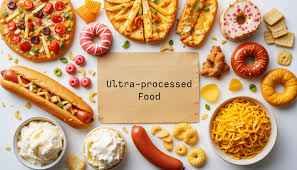
Ultra-processed foods are often low in nutrients and fiber, but high in salt, sugar, and unhealthy fats. Common examples include:
-
Burgers and deli sandwiches
-
Soft drinks and energy drinks
-
Cookies, cakes, and other sweets
-
Packaged salty snacks
Multiple recent studies have linked these foods to serious health problems, including obesity, heart disease, sleep disorders, stroke, and cognitive decline. One 2025 study even estimated that diets high in ultra-processed foods were responsible for 124,000 preventable deaths in just two years in the U.S.
Kirkpatrick explained that processed foods not only add harmful ingredients but also crowd out healthier options like fruits, vegetables, and whole grains.
“You’re not just eating unhealthy foods—you’re missing out on protective ones,” she said.
Werthman was even more direct:
“This is more evidence that the food industry has been slowly damaging public health for decades. We’re now dealing with the long-term consequences.”
How Men Can Support Reproductive Health
Experts recommend a combination of healthy habits to support male fertility:
-
A diet rich in whole grains, fruits, vegetables, and healthy fats
-
Regular physical activity
-
Limiting or avoiding alcohol and tobacco
-
Maintaining a healthy weight
-
Managing stress
-
Getting enough sleep
-
Avoiding prolonged exposure to heat (e.g., hot tubs and saunas)
“Eating clean, staying active, and reducing exposure to toxins—these things really do make a difference,” said Kirkpatrick.
“Your body is a system, and everything you do affects everything else—especially reproduction,” added Werthman.