

Ask a group of people to define “healthy eating,” and you’re likely to hear a wide range of answers.
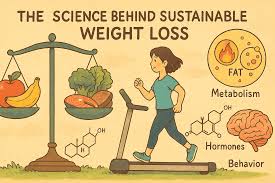
To one person, it may mean eating more fruits and vegetables or cutting back on fast food. For someone else, it could mean enjoying dessert without guilt. People managing food allergies or medical conditions may have their own specific interpretation, too.
In truth, there’s no universal definition of healthy eating.
Healthy eating is a deeply human experience—shaped by individual needs, preferences, cultures, and life circumstances. What works for one person may not work for another, and even your own approach may evolve with time.
Let’s explore the personal side of healthy eating, along with three practical habits I use to make it easier every day.
What Healthy Eating Means to Me
Over the past few years, my own definition of healthy eating has shifted significantly.
Back in college, I focused on following nutrition rules and guidelines. But this mindset changed the way I viewed food—I no longer saw meals I loved; I only saw nutrients. For example, a traditional Costa Rican dish like gallo pinto (rice and beans) became nothing more than complex carbs and plant-based protein in my mind.
Later, as a practicing nutritionist, I felt pressure to look a certain way. I believed that “eating healthy” meant tracking every bite and calculating nutrients. I told myself I could eat anything I wanted—as long as it fit within my nutritional targets.
While I was technically meeting my body’s needs, I began to realize that eating isn’t only about nourishment. It’s also about satisfaction, enjoyment, culture, and connection. Food is meant to be a source of pleasure, not just fuel.
Today, my approach to healthy eating is more relaxed and balanced. I aim to include a variety of food groups in my meals without obsessing over measurements or whether I’m choosing animal-based or plant-based protein.
And yes—this version of healthy eating includes sweets, fast food, and desserts in moderation, enjoyed without guilt or stress.
Finding what works for me took time. Your journey might look different, and that’s okay. Healthy eating should support your body and your life.
Looking at the Big Picture
Even with the best intentions, real life doesn’t always go according to plan. You may get stuck working late or feel too tired to cook. That doesn’t mean you can’t order takeout and actually enjoy it.
For me, flexibility is a major part of eating well. When I have to choose food on the go, I simply try to make the best choice based on what’s available. That could mean a salad, sandwich, or a warm bowl. And sometimes, yes, it’s pizza—and that’s fine too.
The key is to zoom out and focus on patterns, not individual meals. As a friend once told me:
“One unhealthy meal won’t make you sick, just like one healthy meal won’t make you instantly well.”
It’s Not Always Easy
People often assume that, as a dietitian, healthy eating must be second nature for me. But I’m human too—I crave dessert and struggle like anyone else.
One of my toughest personal challenges came when I had to drastically reduce my carb intake to manage chronic infections. While this technically meant avoiding refined carbs, I ended up cutting many wholesome, fiber-rich options too—whole grains, starchy vegetables, dairy, even pasta.
This left me with a limited set of carbs like legumes, fruit, oats, and quinoa. Adjusting to this new routine took time, especially when planning snacks or meals away from home.
That experience taught me how valuable organization and creativity are when trying to meet nutritional needs.
3 Simple Habits That Help Me Stay on Track
To make healthy eating easier and more sustainable, I focus on a few small but powerful habits that help streamline my decisions.
1. Weekly Meal Prep
It may sound cliché, but prepping meals in advance saves me time and energy. I typically cook a batch of lean protein—like chicken—to portion and freeze for future meals. I also prep vegetables in different ways (sliced, shredded, spiralized) so they’re ready to cook or toss into salads. It keeps things interesting and prevents me from skipping veggies out of boredom.
2. Keep Fruit Visible
Research shows that we’re more likely to eat foods that are within reach and in sight. So, I leave my fruit out on the table and tuck away sweets and snacks. Just seeing apples, bananas, or citrus on the counter reminds me to reach for them during the day.
3. Stick to a Meal Routine
Instead of planning a strict weekly menu, I have a few go-to options for each meal. For breakfast, for example, I rotate between gallo pinto with eggs, peanut butter toast, oatmeal with fruit, or oat pancakes. Having a small set of favorites saves me time and mental effort while allowing flexibility depending on my cravings.
This kind of structure also makes grocery shopping much easier, because I know what I’ll likely eat during the week.
Final Thoughts
We’re constantly growing, adapting, and learning—and so is our understanding of what healthy eating looks like.
In this article, I shared how my perspective on healthy eating has evolved, the challenges I’ve faced, and the practical steps I take to maintain a balanced approach.
But remember: there’s no one-size-fits-all method. What works for me might not work for you—and that’s perfectly okay.
Healthy eating is personal, and it should reflect your body, your values, and your life. Start by finding what supports your well-being—and if you’re unsure where to begin, a registered dietitian can help you build a plan that fits your unique needs and lifestyle.
I love how this article focuses on joy and flexibility. Healthy eating shouldn’t feel like a chore!
These three simple habits are easy to remember and really make a difference in my daily routine.
Embracing flexibility has helped me stay consistent without feeling guilty. Great practical advice!