

Have you ever noticed feeling unwell after eating certain foods? Some diets include ingredients that may not sit well with everyone. These ingredients could be common ones like lactose, wheat, soy, or even food additives like monosodium glutamate (MSG) and food colorings.
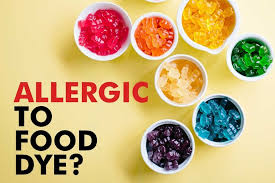
If you experience physical symptoms after consuming foods with these ingredients, you might have either an intolerance or an allergy.
Food intolerance refers to difficulty in properly digesting or reacting to a certain food, while a food allergy triggers an immune system response, which can sometimes be serious.
The Food and Drug Administration (FDA) regulates food additives, including dyes, to ensure their safety. However, some individuals are more sensitive to food dyes than others. While food dye allergies are uncommon, they can still occur.
If you think you might have an allergy to a particular food dye, here’s how to recognize the symptoms and avoid foods that contain it.
Food Dyes That May Cause Allergies
Although food dye allergies are rare, some people are sensitive to them. Food dyes can either be naturally derived or synthetically produced in labs. Research has connected some dyes to allergic reactions, including:
Carmine
Also known as cochineal extract or natural red 4, carmine is a dye made from dried insects. It has been used in food and cosmetics since the 16th century. Studies have documented several reactions, such as:
-
Skin redness or discoloration
-
Swelling and rashes
-
Atopic eczema
-
Gastrointestinal distress
-
Wheezing, coughing, and other respiratory symptoms
There are also reports that carmine may be involved in cases of anaphylactic shock, especially when the cause is unclear.
You can find carmine in foods like:
-
Burgers and sausages
-
Drinks
-
Candies
-
Fruit yogurt
Red 40
Red 40, or Allura Red, is the most widely used red food dye. Derived from petroleum distillates or coal tar, it is found in many products, including those that aren’t typically red. The FDA requires it to be listed by name on food labels.
Red 40 can cause reactions such as hives and facial swelling in sensitive individuals. While the FDA acknowledges issues with this dye, it maintains that the evidence is not definitive or widespread.
You can find Red 40 in:
-
Cereal
-
Beverages
-
Cosmetics
-
Candy
-
Fruit snacks
Yellow 5
Known as tartrazine, Yellow 5 is one of the three yellow food dyes linked to allergic reactions. Some people have reported hives and swelling after eating foods containing Yellow 5.
Earlier studies suggested that Yellow 5 might trigger asthma attacks in children, but a 2010 study didn’t find the same evidence.
You can find Yellow 5 in:
-
Candy
-
Canned vegetables
-
Cheese
-
Drinks
-
Ice cream
-
Ketchup
-
Salad dressings
-
Hot dogs
Yellow 6
Also called Sunset Yellow, Yellow 6 is the third most commonly used dye. Human hypersensitivity to Yellow 6 was first noted in 1949, and there have been reports linking it to anaphylactic shock, stomach cramps, skin lesions, and hives.
Yellow 6 can be found in:
-
Cereals
-
Drugs
-
Gelatin
-
Candies
-
Sausage
-
Cosmetics
-
Baked goods
Annatto
A yellow dye derived from the seeds of the achiote tree found in tropical regions, annatto gives foods a yellow-orange hue. While it typically causes mild skin reactions, there have been instances of severe anaphylactic reactions in sensitive individuals.
Annatto is present in:
-
Cereals
-
Cheeses
-
Drinks
-
Snack foods
Blue 1
Also called Brilliant Blue, Blue 1 is the more widely used of the two FDA-approved blue dyes and one of the oldest approved food colorants. Some studies have linked Blue 1 to potential neurotoxicity, which refers to damage to the nervous system, particularly in fetuses and children.
Blue 1 can be found in:
-
Beverages
-
Cereals
-
Candies
-
Drugs
-
Cosmetics (excluding those for the eye area)
Signs of an Allergic Reaction
The symptoms of a food dye reaction can vary in severity. A mild reaction might include:
-
Flushing
-
Headaches
-
Hives
-
Itchy skin
A severe reaction could involve:
-
Swelling of the face or lips
-
Tightness in the chest
-
Difficulty breathing or wheezing
-
Dizziness or fainting
-
Rapid heartbeat
-
Low blood pressure
-
Throat tightness or trouble breathing
If you experience severe symptoms, call 911 immediately, as this could be life-threatening.
If you’re aware of your food dye allergy, you should always carry an epinephrine auto-injector. This is the primary treatment for a severe allergic reaction.
Allergy Testing
For most food allergies, your doctor may use a blood test or a skin prick test to determine the source. However, there are no specific tests available to diagnose food dye allergies. You’ll likely need to identify the trigger through trial and error.
One method is to keep a food diary, noting everything you eat and when reactions occur. You can then eliminate suspected foods for a few weeks to see if your symptoms improve.
Another approach is a food challenge. In this test, your doctor will give you a series of foods containing the suspected dye, but you won’t know which one. If you have a reaction, you’ll know which food dye is the culprit.
Avoiding Food Dyes
The best way to prevent an allergic reaction is to avoid foods containing the offending dye. However, this can be challenging, as food dyes can be found in unexpected places, including medications and supplements.
To avoid these dyes, it’s important to become a diligent label reader. Always check the ingredient list before purchasing products. If you’re unsure whether a particular item contains a food dye, consider calling the manufacturer for clarification or simply avoid it and opt for a dye-free alternative.
This is a really informative post! I’ve noticed that my daughter sometimes gets rashes after eating certain candies, and I always wondered if food dyes were the cause. I’ll definitely be more cautious now and look for natural alternatives.
I had no idea food dyes could trigger so many allergic reactions in people. My son has asthma, and I’ve been trying to figure out what’s contributing to his flare-ups. This post has opened my eyes to the possible link with food colors. Thanks for sharing!
Wow, I didn’t realize that food dye allergies could be so severe for some people. I’ve always thought of it as a minor issue, but this article makes me think twice. I wonder if more companies will start to phase out artificial dyes in favor of natural ones.